Beginner's guide
Off Plan Properties in Dubai: A Beginner's Guide
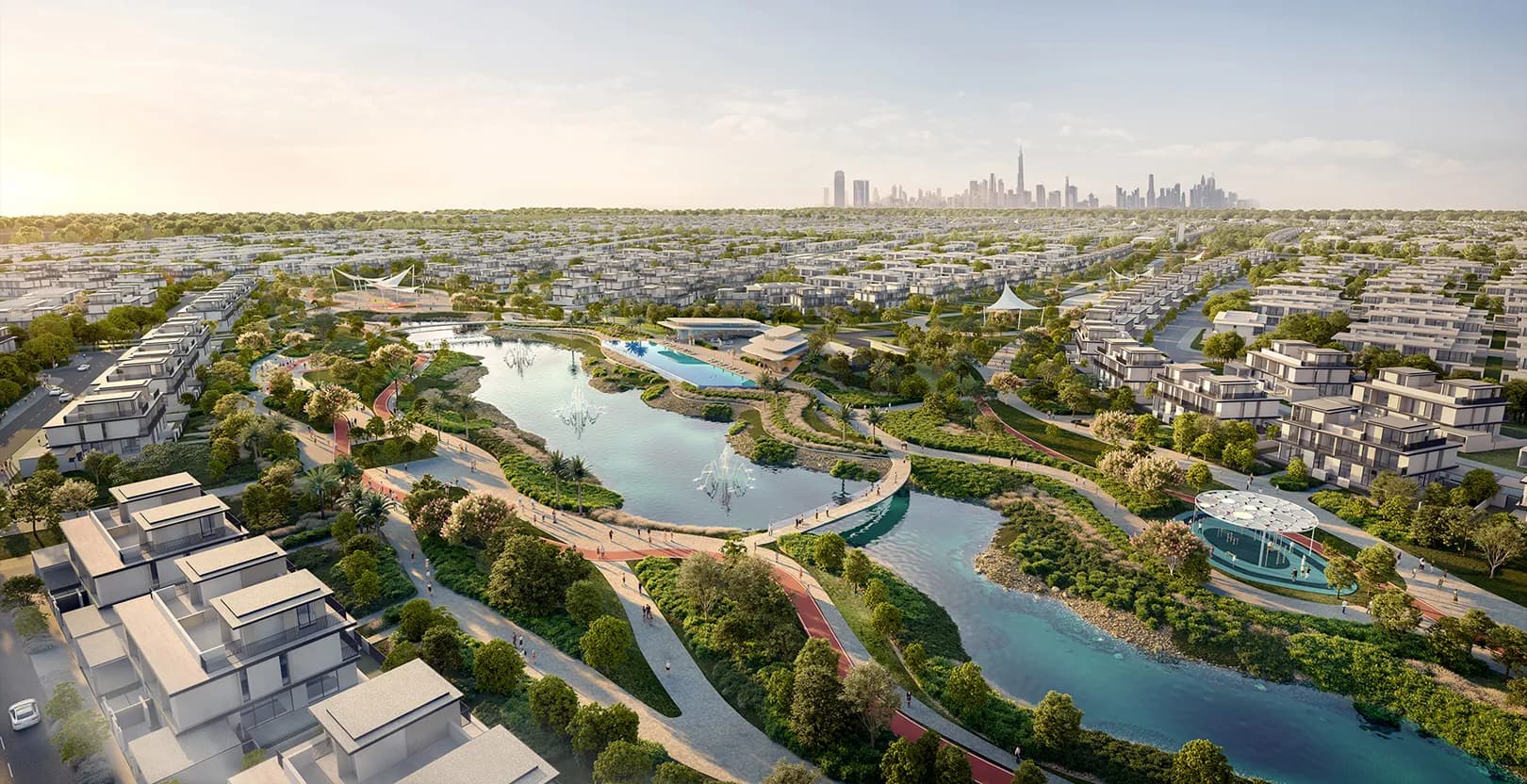
Dubai's real estate market combines global liquidity, transparent regulation, and a deep pipeline of master-planned communities. For first-time buyers, off-plan inventory is often the entry point—offering payment flexibility, new product, and long-term lifestyle or investment optionality.
This guide introduces the market landscape, explains why off-plan matters, and gives you a practical framework before you speak with an adviser or tour a sales centre.
Understanding Dubai's property market landscape
Dubai is structured around master developers, freehold zones, and corridor-specific demand drivers. Established communities—Dubai Hills, Marina, Palm, and MBR City—compete with emerging districts tied to logistics, aviation, and new lifestyle infrastructure.
- Ready vs off-plan — Ready stock offers immediate occupation; off-plan trades time for payment plans and earlier pricing dynamics.
- Regulation — RERA and DLD frameworks govern escrow, advertising, and registration—reducing opaque practices when you buy registered projects.
- Buyer profile — End-users, regional investors, and global UHNW capital coexist; your strategy should dictate community and product type.
Why invest in off-plan properties?
- Payment plans — Spread capital over construction milestones instead of a single upfront ready purchase.
- Product newness — Contemporary layouts, smart-home readiness, and community amenities aligned to current demand.
- Entry pricing — Early tranches in reputable developments can offer advantageous basis versus later phases—subject to market cycle.
- Portfolio flexibility — Assignments and eventual handover support exit or hold strategies depending on SPA terms.
Key terms every buyer should know
- ◆SPA — Sale and Purchase Agreement—the binding contract between buyer and developer.
- ◆Oqood / DLD registration — Registration of your interest with Dubai Land Department for off-plan units.
- ◆Escrow account — Developer project account where buyer payments are held and released per construction progress.
- ◆Handover — Physical completion and key release after snagging and final payments.
- ◆Service charges — Annual community and building maintenance fees after handover.
How off-plan payment plans work
Typical structures include a booking deposit, instalments during construction (often linked to milestones), and a final payment on handover. Percentages vary by developer and project phase—always reconcile marketing schedules with your registered SPA and escrow disclosures.
Budget for ancillary costs: DLD fees, trustee charges, agency commission where applicable, and future service charges. A complete model avoids surprise erosion of expected returns.
Due diligence checklist
- 1Confirm RERA registration and project escrow status.
- 2Review developer delivery history in the target corridor.
- 3Compare unit mix, sizes, and service-charge assumptions.
- 4Validate payment schedule vs personal cash-flow or mortgage pre-approval.
- 5Understand assignment rules if you may exit before handover.
Top communities for first-time buyers
No single address fits every buyer. These corridors frequently appear in beginner conversations for balance of lifestyle, schools, and liquidity:
- Dubai Hills Estate — Integrated mall, healthcare, golf, family amenities.
- Dubai Marina & JBR — Waterfront lifestyle with strong rental demand.
- JVC & Town Square — Value-oriented apartments and townhouses.
- MBR City / Sobha Hartland — Central positioning and green masterplan narrative.
Explore our dedicated guides for step-by-step buying, reselling, and investment frameworks linked below.
Frequently asked questions
Off-plan refers to purchasing a property from a developer before construction is complete. Your contract is typically a Sale and Purchase Agreement (SPA) registered through DLD processes, with payments often tied to construction milestones and escrow protection.